

From Data to Delivery: Precision-Engineered AAV Gene Therapy Bridging Discovery, Delivery, and Patients —Where Gene Therapy Principles Become Patient-Ready Solutions




RESEARCH
Gene Therapy
Gene therapy represents a transformative therapeutic paradigm that treats disease by introducing, modifying, or regulating genetic information within living cells. By directly addressing pathological mechanisms at their molecular and genetic origins, gene therapy seeks not merely to alleviate symptoms but to achieve durable, curative clinical outcomes. The field covers a broad spectrum of modalities, including gene replacement and augmentation, genome editing, cell-based and immune cell therapies, and genetic cancer therapeutics. Realizing the full potential of gene therapy requires tightly integrated advances in disease gene discovery, mechanistic understanding of biological systems, rational therapeutic payload design, and robust delivery technologies capable of precise and sustained genetic modulation in vivo.
VIEW MORE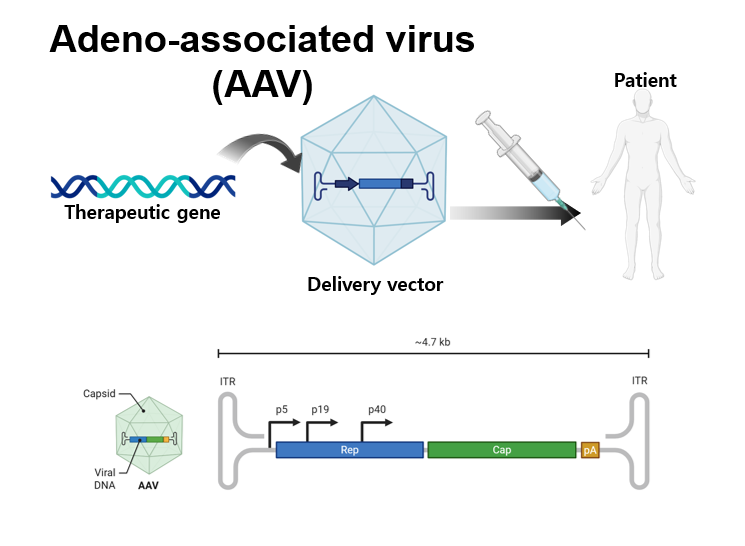
AAV Engineering
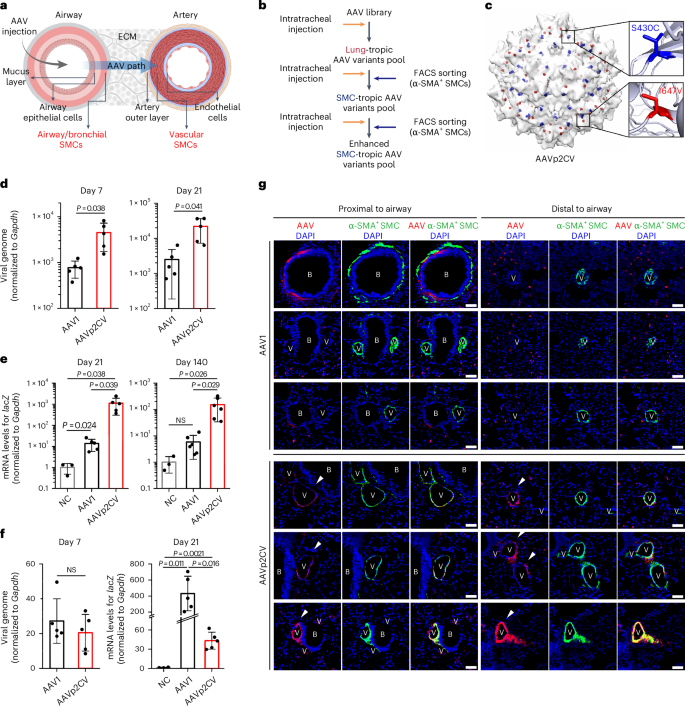
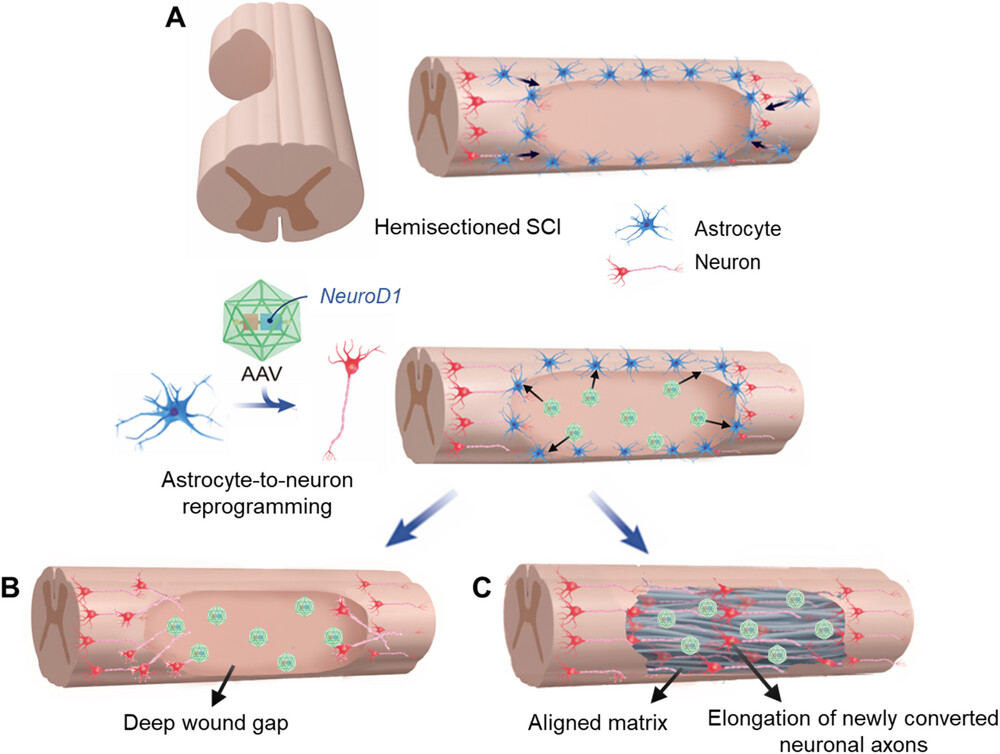
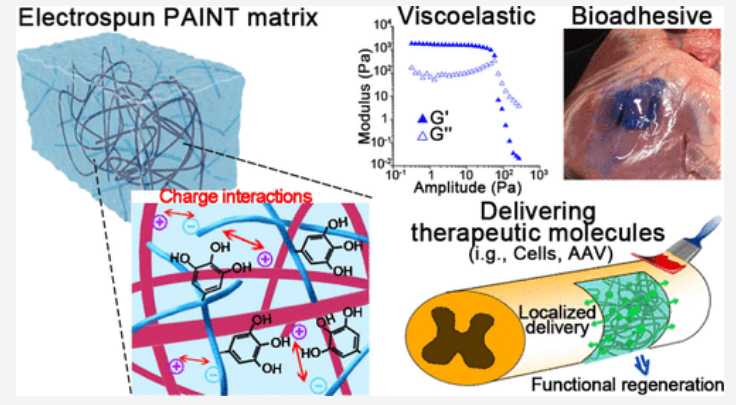
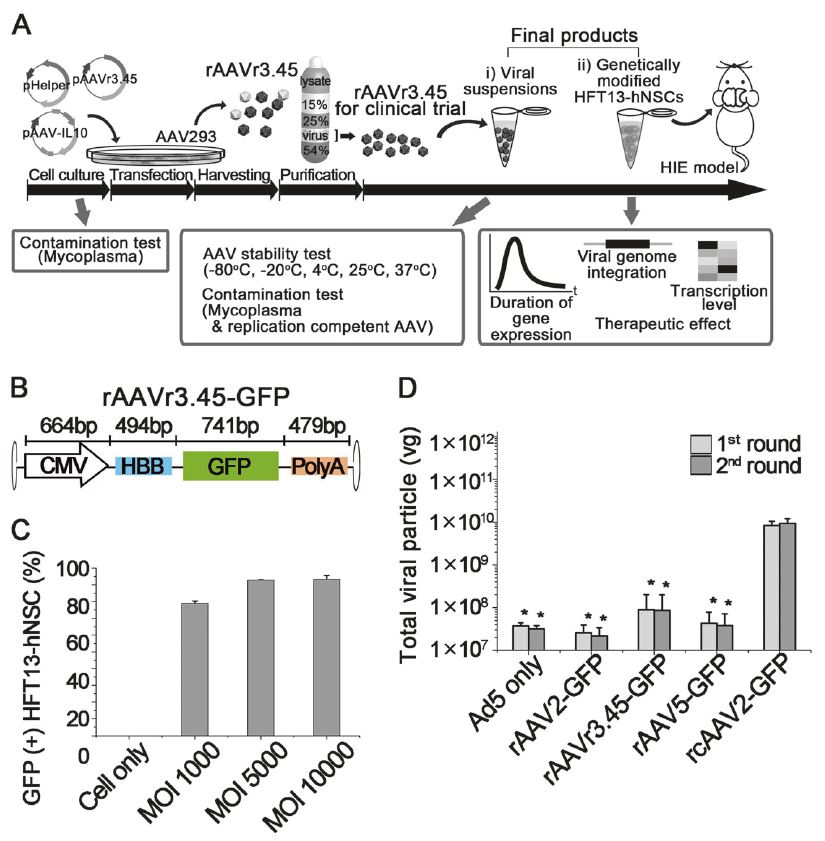
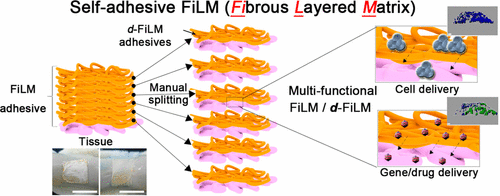
Our laboratory develops next-generation AAV-mediated gene delivery systems through an integrated framework that combines directed evolution, rational vector design, and biomaterial-mediated delivery strategies. This approach enables the engineering of highly cell- and tissue-specific AAV vectors, receptor–ligand–guided targeting systems, and biomaterial-enabled platforms for localized, controlled, and efficient in vivo gene delivery. We focus on high-precision in vivo targeting across a broad range of biologically and clinically challenging tissues, including the retina, inner ear (hearing loss), blood–brain barrier, central nervous system (neurons, astrocytes, microglia, and oligodendrocytes), neuromuscular systems, immune cells (T, B, NK cells, and macrophages), cardiovascular tissues, respiratory epithelia, and diverse cancer cell types. These efforts aim to enable targeted genetic interventions across a broad spectrum of inherited and acquired diseases. To advance beyond vector discovery toward clinically relevant therapies, our research integrates immune-evasive AAV engineering, scalable vector manufacturing and purification, and large-animal validation, including studies in non-human primate models. In parallel, we collaborate closely with clinicians, academic investigators, and industry partners to translate these technologies into clinically robust and commercially viable gene therapy products.
VIEW MORE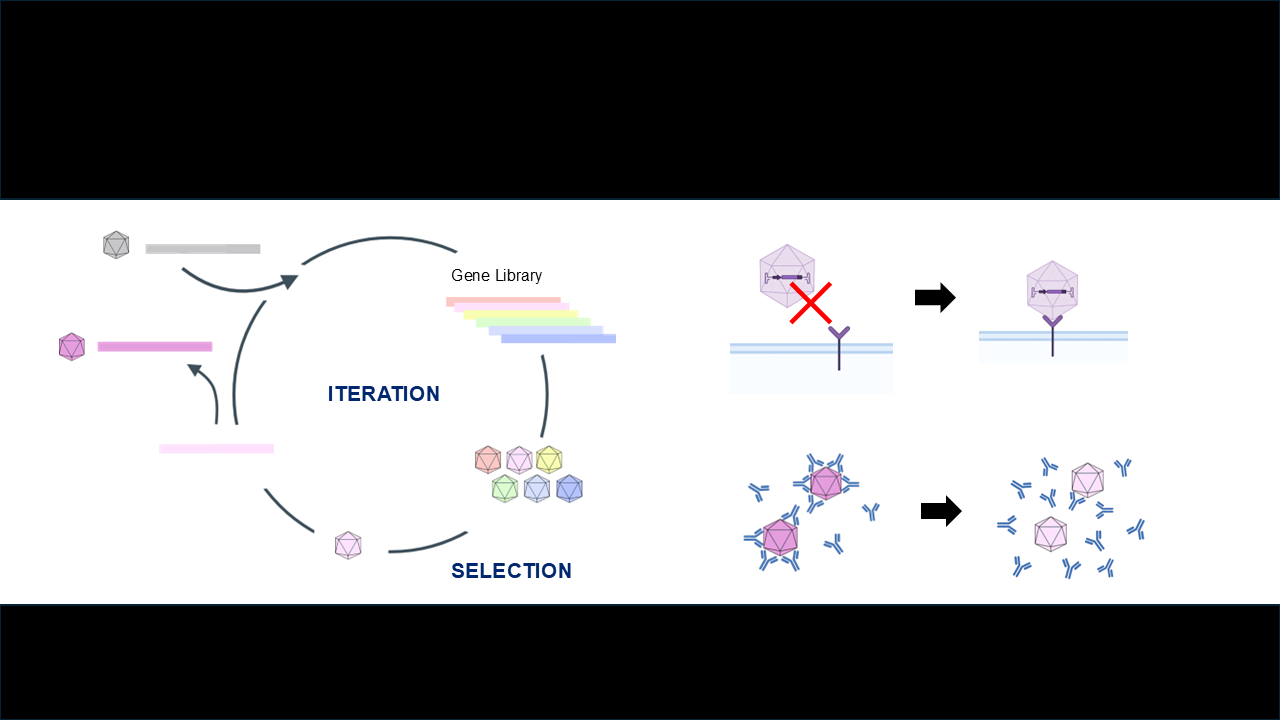
Machine Learning in AAV Research
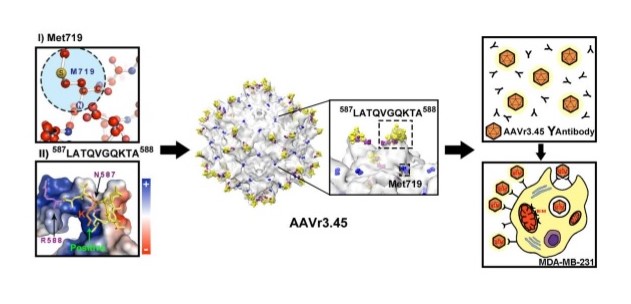
Machine learning (ML) and artificial intelligence (AI) offer robust, data-driven solutions to overcome the inherent limitations of conventional gene therapy development. In the context of in vivo gene delivery, where vector performance is governed by complex and multidimensional biological factors, AI enables faster, more precise, and more cost-effective optimization than experimental iteration alone. Directed evolution remains a foundational strategy for AAV vector discovery; however, it is intrinsically constrained by limited library diversity, selection bottlenecks, signal loss during screening, and experimental noise. To address these challenges, our laboratory leverages large-scale experimental datasets derived from extensive AAV library construction, screening, and validation studies. These datasets are used to train, benchmark, and refine multiple ML models, enabling the development of custom, high-accuracy predictive frameworks capable of proposing purpose-driven, AI-designed AAV vectors. We further integrate structure-based AI approaches, including AlphaFold-based modeling and advanced protein–protein docking tools, to predict interactions between AAV capsid loop peptides and cell-surface receptors on target tissues. This strategy facilitates the rational discovery of novel vectors with enhanced tissue accessibility, improved functional performance, reduced off-target transduction, and deeper mechanistic insights into in vivo delivery mechanisms—outcomes that would otherwise require extensive time and experimental resources. All AI-predicted vectors undergo rigorous experimental validation, establishing a closed-loop AI–experiment cycle that continuously improves predictive accuracy and accelerates the development of customized, ultra-precise AAV vectors for next-generation in vivo gene therapy.
VIEW MORE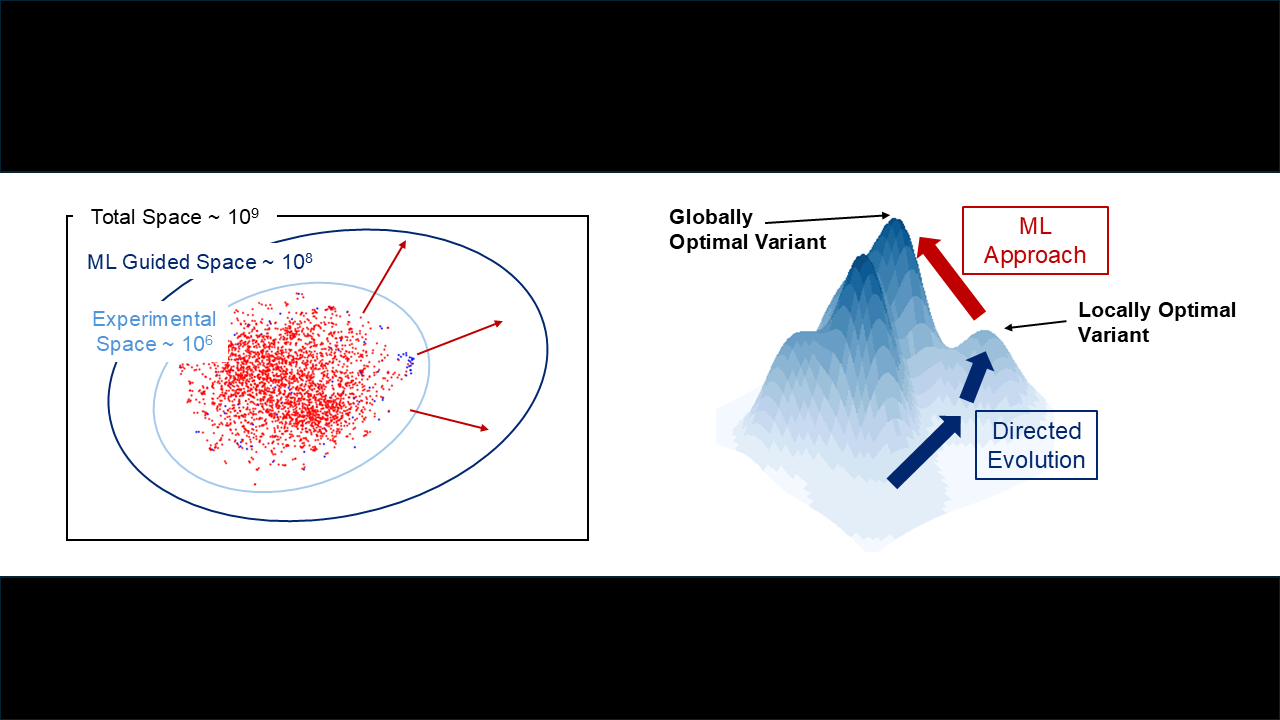
PUBLICATION
VIEW MORENEWS & GALLERY





Tel. +82-2-2123-7456 | Fax.+82-2-312-6401
COPYRIGHT© YONSEI UNIV. ALL RIGHTS RESERVED.
